
Faster Shipping Ecommerce: Improving Delivery Speed to Boost Customer Satisfaction in E-commerce
The growth of e-commerce has transformed the way people shop. Consumers can browse thousands of products, compare prices, read reviews, and place orders within minutes from virtually anywhere. While product quality, pricing, and customer service remain important factors, delivery speed has become one of the most influential elements in the online shopping experience. Customers no longer judge a purchase solely by what they buy. They also evaluate how quickly and smoothly the product reaches their doorstep.
As competition continues to intensify across the e-commerce industry, businesses are under increasing pressure to meet rising customer expectations. Shoppers have become accustomed to rapid delivery options, real-time tracking, and accurate delivery estimates. When orders arrive quickly and reliably, customers are more likely to return and recommend the brand to others. Conversely, delays and poor delivery experiences can lead to frustration, negative reviews, and lost sales. This is why improving delivery speed has become a critical priority for businesses seeking long-term success in online retail.
Why Delivery Speed Matters More Than Ever | Faster Shipping Ecommerce
Consumer demands have transformed considerably in the last ten years. What used to be regarded as speedy delivery may now appear to be slow delivery. Customers anticipate prompt delivery of the goods, and many even anticipate receiving orders within hours. Such changes have led to a new form of competition among organizations, in which delivery performance affects purchase decisions directly.
Quick delivery is not only about making customers happy. It is about building trust and creating confidence in the organization. Quick receipt of products creates an impression of reliability and professionalism in the business. It makes customers confident that the organization will provide quality services, encouraging them to buy again.
Organizations that offer quick delivery also get an edge in the market. Customers tend to consider delivery as one of the key criteria when choosing between different suppliers of a product. Companies that focus on faster logistics and shipping options in ecommerce are at an advantage in attracting and retaining customers.
The Connection Between Delivery and Customer Satisfaction
Customer satisfaction is influenced by every stage of the purchasing journey, from product discovery to post-purchase support. Delivery plays a particularly important role because it represents the final step in the transaction. Even if the shopping experience is excellent, delays during delivery can negatively affect overall perceptions of the brand.
Customers often associate delivery performance with professionalism and reliability. When products arrive on time and in good condition, expectations are met or exceeded. This creates a positive impression that contributes to stronger customer relationships.
The impact of customer satisfaction shipping extends beyond individual transactions. Satisfied customers are more likely to leave positive reviews, share recommendations, and return for future purchases. In contrast, delivery problems can damage trust and increase the likelihood of customer churn.
Understanding the Modern E-commerce Supply Chain
For businesses seeking to enhance delivery performance, an understanding of supply chain operations behind the process is critical. Whether it is inventory management, order processing, warehousing activities, or even transportation, all play a role in influencing the delivery time of goods.
The whole process starts when a customer places an order and the business is able to accept the payment, check the availability of the stock, and then send order information to the warehouse. From there, products are collected and loaded for shipment before finally being taken by the delivery firm.
Delays can occur at every stage if proper attention is not paid to each step. By conducting a proper analysis of these operations within the supply chain, businesses will be in a position to streamline the process, making delivery faster.
Inventory Placement and Delivery Speed
One of the most efficient methods of enhancing shipping times involves proper placing of the inventory closer to the customers. The gap between the location of the warehouse and the place of delivery impacts both transit time and shipping expenses.
Successful e-commerce companies often have a number of fulfillment centers located at various locations. In this way, the products can be placed closer to consumer centers, and this enhances delivery times.
Proper stock placement enables companies to better deal with variations in demand. Through analysis of consumption trends, the company can place its stock efficiently and ensure that the products are located where there is the greatest demand for them.
Streamlining Order Processing
The rate at which order processing is done affects the efficiency of delivery greatly. In case the transport system is efficient, slow processing of orders will make it impossible for products to be delivered quickly to customers.
There is increased automation in the modern process of fulfilling customer orders. There is automatic order verification, inventory updating, creation of shipping labels, and order routing to the right fulfillment center using minimal human labor.
Decreasing the time taken for order processing facilitates quicker movement through the system, thus beginning deliveries early.
The Role of Delivery Optimization
E-commerce firms constantly look for avenues to optimize delivery in their logistics processes. Delivery optimization means reviewing processes, technologies, and transportation methods to deliver goods efficiently without necessarily spending much.
One form of optimization is route planning. With the aid of computer software, an efficient route for deliveries can be determined taking into account factors such as traffic flow, quantity of deliveries to make, and geography among others. In doing so, efficiency is significantly improved by cutting down delivery time and improving delivery quality.
Delivery optimization can also be seen in aspects like packaging, choice of delivery carrier, and storage facilities among others. Slight changes in various aspects may bring significant improvement in delivery.
Improving Warehouse Efficiency
Warehouse operations play a critical role in determining how quickly orders can be fulfilled. Inefficient layouts, manual processes, and poor inventory organization can create delays that slow down the entire fulfillment process.
Modern warehouses increasingly rely on technology to improve productivity. Barcode scanning, automated storage systems, and warehouse management software help employees locate products quickly and accurately. These tools reduce errors and accelerate order preparation.
Efficient warehouse design also contributes to faster fulfillment. Products with high demand can be positioned closer to packing stations, while workflows can be organized to minimize unnecessary movement. These improvements help businesses process orders more rapidly and support faster delivery times.
Last Mile Delivery and Its Challenges
The final stage of the delivery journey is often the most complex and expensive. Last mile delivery refers to the movement of a package from a distribution center to the customer’s doorstep. Despite representing a relatively short distance, this phase frequently accounts for a significant portion of total delivery costs.
Urban congestion, traffic conditions, delivery density, and customer availability all influence last mile performance. Delays during this stage can quickly undermine earlier efficiencies achieved within the supply chain.
Improving last mile delivery requires careful planning and coordination. Businesses often collaborate with specialized delivery providers, use route optimization software, and implement tracking technologies to enhance performance. As customer expectations continue to rise, investments in last mile capabilities are becoming increasingly important.
Real-Time Tracking and Customer Confidence
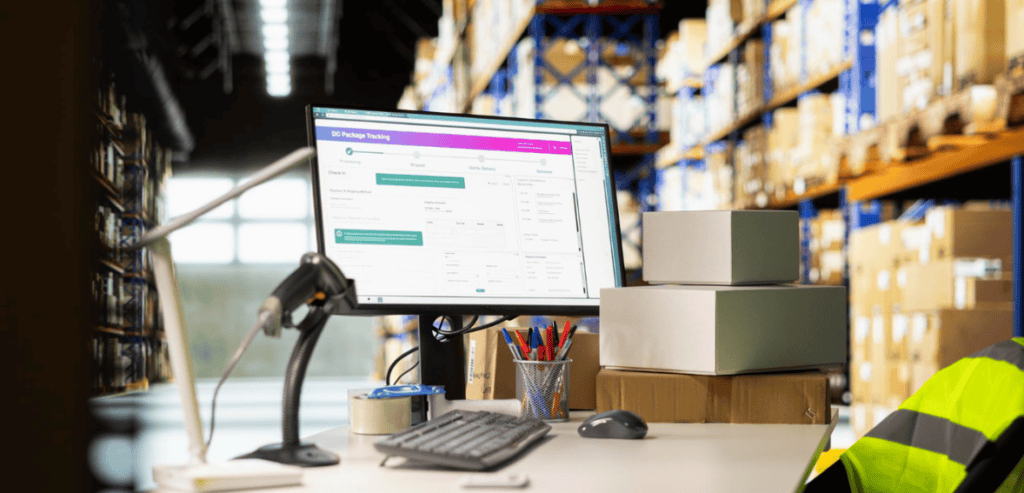
Delivery speed is important, but visibility is equally valuable. Customers want to know where their orders are and when they can expect delivery. Real-time tracking helps meet these expectations by providing transparency throughout the shipping process.
Tracking systems reduce uncertainty and improve communication between businesses and customers. Instead of wondering when a package will arrive, customers can monitor progress and receive updates at key milestones.
This transparency contributes to customer satisfaction shipping outcomes even when unexpected delays occur. Customers are generally more understanding when they receive timely information about changes or disruptions. Effective communication helps maintain trust and reduces support inquiries.
The Impact of Technology on Delivery Performance
Technology has become a major driver of logistics innovation. AI, predictive analytics, automation, and machine learning are helping businesses improve delivery speed and operational efficiency.
Predictive analytics can forecast demand patterns and identify potential disruptions before they occur. This allows companies to adjust inventory levels, transportation plans, and staffing requirements proactively.
AI also supports route optimization, inventory management, and customer communication. By leveraging advanced technologies, businesses can make smarter decisions that improve delivery performance while reducing operational costs.
Balancing Speed and Cost
While fast delivery is important, businesses must also manage costs carefully. Offering the fastest possible shipping option for every order may not always be financially sustainable. The challenge lies in finding the right balance between speed, affordability, and customer expectations.
Many companies provide multiple delivery options, allowing customers to choose between standard and expedited shipping. This approach gives consumers flexibility while helping businesses manage logistics expenses more effectively.
Cost-effective delivery strategies often involve a combination of efficient fulfillment operations, optimized transportation networks, and strategic carrier partnerships. By balancing these factors, businesses can improve service levels without sacrificing profitability.
Using Data to Improve Delivery Operations
Data plays a critical role in identifying opportunities for improvement. E-commerce businesses generate large amounts of information related to orders, shipping times, customer locations, carrier performance, and delivery outcomes.
Analyzing this data helps organizations understand where delays occur and which processes require attention. Key performance indicators such as order processing times, transit durations, and on-time delivery rates provide valuable insights into operational performance.
Data-driven decision-making supports continuous improvement efforts and enables businesses to adapt quickly to changing conditions. Companies that leverage analytics effectively are often better equipped to deliver products faster and more reliably.
Building Strong Carrier Partnerships
Shipping carriers serve as essential partners in the delivery process. Their performance directly influences customer experiences and overall service quality. Establishing strong relationships with reliable carriers can significantly improve delivery outcomes.
Businesses should regularly evaluate carrier performance based on speed, reliability, geographic coverage, and customer feedback. Working with multiple carriers may also provide flexibility and reduce dependence on a single provider.
Strong partnerships enable better communication, faster issue resolution, and more consistent service levels. These benefits contribute to smoother operations and higher customer satisfaction.
Meeting Rising Customer Expectations
Consumer expectations continue to evolve as technology and competition reshape the e-commerce landscape. What customers consider fast today may not be sufficient tomorrow. Businesses must remain agile and responsive to changing demands.
Convenience, transparency, and reliability are becoming increasingly important alongside speed. Customers want accurate delivery estimates, flexible delivery options, and clear communication throughout the process.
Companies that consistently meet these expectations strengthen customer trust and differentiate themselves from competitors. Investing in logistics capabilities and customer-focused delivery strategies helps ensure long-term success in a rapidly changing market.
The Long-Term Benefits of Faster Delivery
Improving delivery speed produces benefits that extend beyond individual transactions. Faster fulfillment contributes to stronger customer relationships, increased loyalty, and higher lifetime customer value. Satisfied customers are more likely to make repeat purchases and recommend the brand to others.
Efficient delivery operations also improve internal performance by reducing costs associated with delays, customer complaints, and returns. Businesses can process larger order volumes more effectively while maintaining high service standards.
As e-commerce continues to expand, delivery capabilities will remain a critical competitive factor. Organizations that prioritize speed and reliability position themselves for sustainable growth and stronger market performance.
Creating a Customer-Centric Delivery Strategy
Successful delivery strategies begin with understanding customer needs and expectations. Different customer segments may prioritize different aspects of the delivery experience. Some value speed above all else, while others focus on cost, flexibility, or convenience.
Businesses should gather customer feedback regularly and use those insights to refine their delivery offerings. Surveys, reviews, and support interactions provide valuable information about what customers appreciate and where improvements are needed.
A customer-centric approach ensures that logistics investments align with actual customer priorities. This alignment helps maximize satisfaction while supporting broader business objectives.
Conclusion
Delivery speed has become one of the most important factors influencing success in e-commerce. Customers expect orders to arrive quickly, reliably, and with full visibility throughout the process. Businesses that meet these expectations are more likely to earn trust, build loyalty, and encourage repeat purchases.
Improving delivery performance requires attention to every stage of the supply chain, from inventory placement and order processing to delivery optimization and last mile delivery execution. By leveraging technology, analyzing data, and building strong logistics partnerships, companies can create faster and more efficient fulfillment operations. As competition continues to intensify, investments in faster shipping ecommerce capabilities and customer satisfaction shipping strategies will remain essential for businesses seeking long-term growth and success in the digital marketplace.