Food Truck Industry Trends: The Biggest Operational Challenges Food Truck Owners Face and How They’re Solving Them
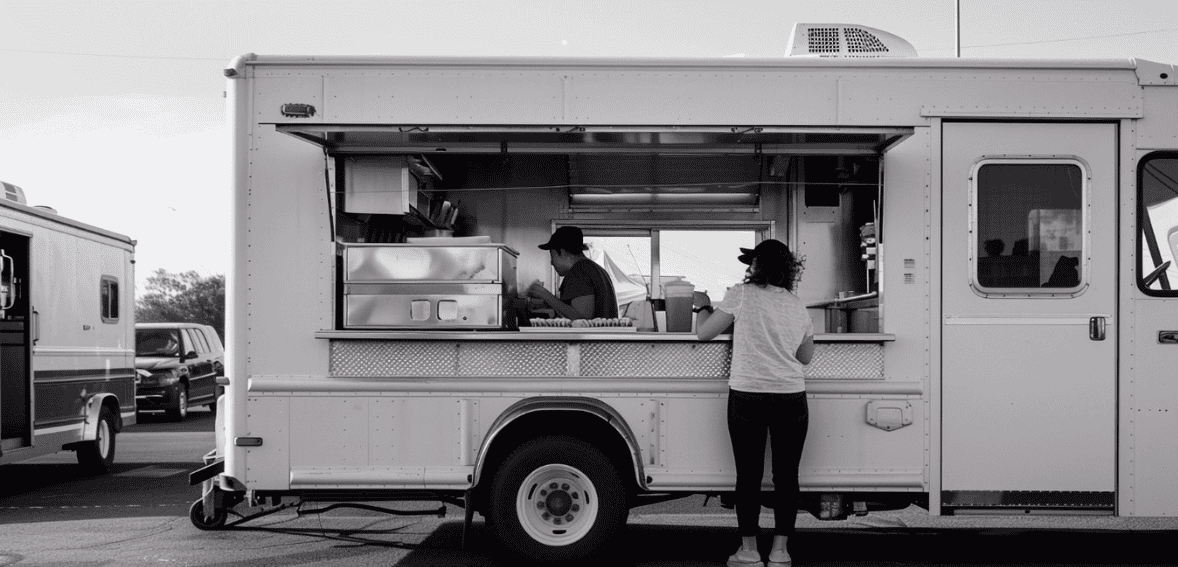
The food truck industry has grown from a niche segment of the hospitality sector into a thriving business model that attracts entrepreneurs across the world. Customers enjoy the convenience, affordability, and variety that food trucks offer, while business owners appreciate the lower startup costs compared to traditional restaurants. From gourmet burgers and tacos to specialty coffee, vegan meals, desserts, and international street food, food trucks have become a familiar sight at festivals, business districts, sporting events, and neighbourhood gatherings.
Although food trucks are popular, starting and running one is not an easy task. Success in any business requires planning, proper inventory management, adherence to the law, good customer service, proper staff management, and financial planning. Food trucks, unlike traditional restaurants, also have to deal with constantly changing conditions, which includes managing the weather, customer demand, and local laws. Making proper logistical decisions daily might be the key to the food truck profitability.
Food truck industry trends analysis, awareness of food truck business challenges, improvement of food truck operations, and the learning of the methods of running a food truck will certainly contribute to developing food truck businesses. Entrepreneurs start their food truck businesses because they love cooking or being in the hospitality business, but their success will depend greatly on the quality of their business operations.
The Growth of the Food Truck Industry
Food trucks have transformed from mere mobile cooking facilities to professionally run food business catering to many types of customers over the past ten years. Social media, food delivery through the Internet, mobile payments, and the evolving tastes of consumers have been major factors in this transformation. There is a growing preference for easily available high-quality food by consumers.
Food trucks have provided entrepreneurs the opportunity to join the food business without making a major financial investment in restaurants. While the cost of entry may be lower, it should not reduce any degree of operational excellence. Trends in the food truck industry indicate the continuing pursuit of specialty foods, local sourcing, sustainability efforts, and using technology to deliver an enhanced consumer experience.
Challenge One: Finding the Right Locations
The factor of location remains a very important one when it comes to day-to-day sales. Unlike regular restaurants with a permanent location, the owners of food trucks have to constantly look for a place where the demand is high enough to justify their expenses. A good location today can turn into a bad one tomorrow because of the weather or some other reason.
Most food truck owners combine regular locations with festivals, company events, private catering and community events to maintain stable income throughout the whole year. Establishing contacts with event organisers, local businesses and municipalities can be very helpful in this regard. Running a successful food truck business requires looking at location as a business strategy rather than simply parking wherever there is space.
Challenge Two: Managing Inventory Efficiently
Storage space is limited for the food trucks, making inventory control essential. Overstocking leads to waste as fresh produce might expire before they get utilized. On the other hand, understocking might lead to lost sales if some menu items run out of stock suddenly.
Demand prediction is crucial to manage inventory properly. It helps the food truck owners plan the number of purchases made each day according to their locations, the weather condition, prior experience, and upcoming events.
Challenge Three: Weather Dependence
Contrary to indoor restaurants, food trucks rely much more on the weather. Rain, high or low temperatures, snow, and wind can lead to lower demand in usually profitable areas.
Food truck owners have come to prepare for such disruptions by creating alternative sources of income, which can include catering services, deliveries, indoors operations, and seasonal location planning. Some also pay attention to weather forecasts before scheduling their operation time or ordering supplies.
Getting used to new conditions is now one of the key business challenges in the world of food trucks since weather can never be controlled by the owner himself.
Challenge Four: Regulatory Compliance
Food trucks must comply with health regulations, food safety standards, licensing requirements, parking rules, fire safety regulations, and local business permits. These requirements sometimes vary between municipalities, making compliance more complex for operators serving multiple locations.
Maintaining organised documentation, completing inspections promptly, and staying informed about regulatory changes help businesses avoid unnecessary interruptions. Owners often benefit from building positive relationships with local regulatory authorities.
Understanding legal responsibilities has become an important part of modern food truck industry trends, particularly as the industry continues expanding into new markets.
Challenge Five: Staffing and Employee Management
Many food trucks operate with small teams where every employee performs multiple responsibilities. Staff may prepare food, process payments, serve customers, clean equipment, and assist with setup or closing procedures during the same shift.
Finding reliable employees willing to work flexible schedules can be challenging, especially during busy seasons or special events. Cross-training employees improves operational flexibility while reducing dependence on individual team members.
Effective food truck operations rely heavily on well-trained staff capable of adapting quickly to changing customer demand and operational requirements.
Challenge Six: Maintaining Consistent Food Quality
Customers expect the same quality regardless of where or when they visit a food truck. Maintaining consistency becomes challenging when operating under limited space, changing weather conditions, and varying customer volumes.
Standardised recipes, preparation procedures, ingredient measurements, and cooking methods help ensure meals meet customer expectations every time. Consistency strengthens customer loyalty while encouraging positive online reviews.
Maintaining quality despite operational pressures remains one of the most important aspects of running a food truck successfully.
Challenge Seven: Managing Peak Demand
Food trucks often experience sudden periods of intense customer activity followed by quieter intervals. Lunch hours, festivals, concerts, and sporting events may generate long queues requiring rapid service without sacrificing food quality.
Preparation planning, streamlined menus, efficient kitchen layouts, and clearly defined employee responsibilities help businesses manage these busy periods more effectively. Technology also supports faster payment processing and order management.
Addressing these food truck business challenges requires balancing speed, accuracy, and customer service even during the busiest operating periods.
Challenge Eight: Equipment Maintenance
Food trucks rely on specialised equipment operating within confined spaces. Refrigeration units, cooking appliances, generators, ventilation systems, water supplies, and payment technology all require regular maintenance to remain reliable.
Unexpected equipment failures may interrupt operations, waste inventory, or require expensive emergency repairs. Preventive maintenance schedules reduce downtime while extending equipment lifespan.
Many experienced operators consider equipment care an essential part of efficient food truck operations rather than waiting until problems occur.
Challenge Nine: Fuel and Operating Costs
Operating expenses extend beyond food ingredients. Fuel, generator operation, vehicle maintenance, insurance, permits, packaging, utilities, and equipment servicing all contribute to daily operating costs.
Fluctuating fuel prices may significantly influence profitability, particularly for trucks travelling between multiple service locations. Careful route planning and operational efficiency help reduce unnecessary transportation expenses.
Managing operating costs remains one of the ongoing food truck business challenges affecting businesses of every size.
Challenge Ten: Marketing in a Mobile Business
Unlike traditional restaurants with permanent visibility, food trucks frequently change locations. Customers need reliable ways to discover where trucks will operate each day.
Social media platforms have become powerful marketing tools allowing owners to announce daily locations, menu specials, event participation, and operating schedules. Mobile websites, online maps, and customer mailing lists further improve communication.
Modern food truck industry trends demonstrate how digital marketing has become just as important as food quality in attracting repeat customers.
Challenge Eleven: Technology Integration
Technology now plays an increasingly important role in food truck operations. Mobile payment systems, inventory management software, POS platforms, digital loyalty programmes, online ordering, and accounting software improve efficiency while reducing administrative workload.
Integrated systems allow owners to monitor sales, manage inventory, analyse customer preferences, and simplify financial reporting from virtually anywhere.
Technology has transformed running a food truck by allowing even small operators to access business management tools previously available only to larger restaurant chains.
Challenge Twelve: Building Customer Loyalty
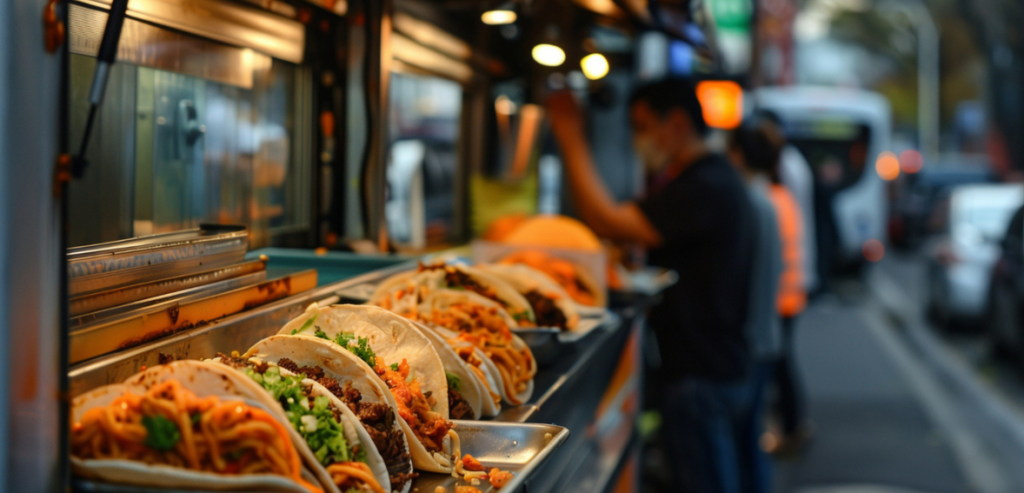
Many food truck customers encounter businesses at different locations rather than returning to the same storefront regularly. Building long-term loyalty therefore requires memorable customer experiences alongside excellent food quality.
Friendly service, consistent branding, loyalty programmes, social media engagement, and community involvement all encourage repeat business. Remembering regular customers and maintaining menu consistency further strengthen customer relationships.
Strong customer loyalty helps businesses overcome many food truck business challenges by creating dependable revenue from returning visitors.
Challenge Thirteen: Managing Cash Flow
Revenue in the food truck industry often fluctuates depending on seasons, events, weather, and local demand. Successful owners prepare for slower periods by managing expenses carefully during busy months.
Budgeting for maintenance, equipment replacement, licensing fees, insurance, and inventory purchases helps businesses remain financially stable throughout the year. Monitoring daily profitability also supports better decision-making.
Careful financial planning has become increasingly important within current food truck industry trends as competition continues increasing across many markets.
Challenge Fourteen: Expanding Without Losing Quality
Many successful food truck owners eventually consider opening additional trucks, permanent restaurants, catering divisions, or packaged food businesses. Growth creates exciting opportunities but also increases operational complexity.
Standard operating procedures, documented recipes, employee training, inventory controls, and management systems become increasingly important as businesses expand. Maintaining consistent customer experiences across multiple operations requires careful planning.
Scalable food truck operations depend on building repeatable systems rather than relying solely on owner involvement in every daily activity.
Challenge Fifteen: Standing Out in a Competitive Market
The popularity of food trucks has increased competition in many cities. Customers often have numerous options offering similar cuisines, making differentiation increasingly important.
Businesses distinguish themselves through menu creativity, customer service, branding, sustainability initiatives, locally sourced ingredients, or specialised dietary offerings. Strong brand identity helps customers remember and recommend food trucks long after their first visit.
Understanding evolving food truck industry trends allows owners to adapt offerings while remaining relevant within changing consumer preferences.
How Successful Owners Solve Operational Challenges
Experienced food truck operators recognise that long-term success depends on systems rather than improvisation. They monitor sales data, analyse customer preferences, schedule preventive maintenance, train employees consistently, and review financial performance regularly.
Many also embrace technology for inventory management, payment processing, scheduling, marketing, and reporting. These tools reduce manual work while providing valuable operational insights that support better decision-making.
Addressing food truck business challenges proactively allows owners to spend more time serving customers and less time responding to preventable operational problems.
Looking Ahead
The future of the food truck industry appears promising as consumer demand for convenient, high-quality dining continues growing. Technology, sustainability, digital ordering, and evolving customer expectations will continue influencing how food trucks operate and compete.
Businesses willing to embrace innovation while maintaining strong operational foundations are likely to remain well positioned for continued success. Flexibility, efficient management, and customer-focused service will remain essential characteristics of thriving operators.
Successful running a food truck will increasingly depend on combining culinary creativity with disciplined business management capable of adapting to changing market conditions.
Conclusion
Food trucks offer exciting opportunities for entrepreneurs seeking flexible, creative businesses within the food service industry. However, long-term success requires much more than preparing excellent meals. Owners must navigate changing locations, weather conditions, inventory limitations, staffing needs, equipment maintenance, regulatory compliance, and financial management while continuing to deliver exceptional customer experiences.
Understanding current food truck industry trends, addressing common food truck business challenges, strengthening daily food truck operations, and developing practical systems for running a food truck allow businesses to grow sustainably while maintaining profitability. Technology, careful planning, employee training, and consistent operational procedures all contribute to overcoming the unique challenges associated with mobile food service.
As competition continues increasing, successful food truck owners will be those who combine culinary passion with disciplined business management. By continuously improving operations while remaining adaptable to changing customer expectations, food trucks can continue thriving as one of the most dynamic and innovative segments of the modern hospitality industry.