How Beauty Industry Technology Is Making Personalised Skincare More Accessible
Skincare has come a long way from the days when people relied on a limited range of products based on broad skin types such as oily, dry, or combination skin. Today, consumers want products and routines that match their unique skin concerns, lifestyle, environment, and personal goals. Whether someone is dealing with acne, pigmentation, sensitivity, fine lines, or dehydration, they are looking for recommendations that are designed specifically for them rather than following a one-size-fits-all approach.
This shift has been made possible by rapid advancements in beauty industry technology. Artificial intelligence, skin analysis tools, smart devices, mobile applications, and data-driven product recommendations are changing how people discover, purchase, and use skincare products. These innovations are making personalised skincare more accurate, affordable, and accessible than ever before.
Consumers no longer need to visit expensive clinics to receive tailored skincare advice. Many solutions are now available through smartphones, online consultations, and digital platforms. As innovation continues to reshape the beauty sector, personalised skincare is becoming a realistic option for people from all backgrounds and budgets.
Why Personalised Skincare Is Becoming the New Standard
Every person’s skin is different. Factors such as genetics, age, climate, diet, hormones, stress levels, and daily habits all influence how skin behaves. Two individuals with similar skin types may experience completely different concerns and require different products.
Traditional skincare often categorised consumers into broad groups, which meant many products addressed only general concerns. While this approach worked for some, many people struggled to find products that delivered consistent results because their unique needs were overlooked.
Today’s consumers are also more informed than ever before. They spend time researching ingredients, reading reviews, watching educational videos, and understanding how products work. Instead of purchasing products based solely on advertising, they want scientific recommendations supported by reliable information.
This demand for customised solutions has encouraged brands to invest heavily in beauty industry technology, allowing them to create personalised skincare experiences that are more accurate and customer-focused.
The Role of Artificial Intelligence in Modern Skincare
Artificial intelligence has become one of the biggest drivers of innovation within the beauty industry. AI-powered platforms can analyse thousands of data points in seconds, helping consumers receive recommendations that closely match their individual skin concerns.
Many skincare brands now offer AI-powered skin assessments through mobile applications or websites. Users simply upload a selfie or answer a series of questions about their skin, lifestyle, and skincare habits. The system then analyses visible signs such as wrinkles, pigmentation, redness, pores, acne, hydration, and skin texture before recommending suitable products.
Unlike traditional questionnaires, artificial intelligence continues learning from customer feedback and new data. As more users interact with these platforms, recommendations become increasingly accurate over time.
These AI skincare solutions are helping consumers make more informed decisions while reducing the confusion that often comes from choosing between hundreds of similar skincare products available in the market.
Digital Skin Analysis Is Becoming More Accurate
One of the most exciting developments in skincare is the improvement of digital skin analysis. Advanced imaging technology allows consumers to receive detailed skin assessments without visiting a dermatologist or beauty clinic for an initial consultation.
Modern applications use smartphone cameras together with artificial intelligence to evaluate multiple aspects of skin health. They identify fine lines, uneven tone, acne severity, dark spots, moisture levels, and signs of ageing with impressive accuracy.
Some systems even compare current images with previous assessments, allowing users to monitor improvements over weeks or months. This progress tracking encourages consistency and helps users understand whether their skincare routine is producing visible results.
These innovations demonstrate how personalised beauty technology is making professional-level skincare guidance available to a much wider audience than ever before.
Beauty Apps Are Simplifying Skincare Decisions
Choosing skincare products can often feel overwhelming. There are countless cleansers, serums, moisturisers, sunscreens, masks, and treatments available, each claiming to solve different problems. Beauty applications help simplify this process by providing personalised recommendations based on individual profiles.
Many apps ask users about their age, skin concerns, allergies, product preferences, climate, and daily routines before suggesting customised skincare regimens. Some applications also scan ingredient lists and explain what each ingredient does, helping consumers avoid products that may irritate their skin.
Others provide reminders for applying products consistently, tracking progress, and adjusting routines as seasons change. These practical features make skincare easier to follow while improving long-term results.
Such innovations represent some of the most useful beauty tech trends, making personalised skincare guidance available directly through devices people already use every day.
Personalised Product Formulation Is Expanding
Technology is not only changing how products are recommended but also how they are created. Many companies now offer customised skincare formulations based on detailed customer assessments.
After completing digital consultations or AI-powered skin analyses, consumers receive products blended with ingredients selected specifically for their concerns. Rather than purchasing generic moisturisers or serums, they receive formulations tailored to their skin’s individual needs.
Some brands even update product formulas periodically based on seasonal changes, lifestyle updates, or improvements in skin condition. This flexible approach ensures that skincare evolves alongside the customer rather than remaining static.
As beauty industry technology continues to advance, customised formulations are becoming increasingly affordable and accessible to everyday consumers rather than remaining exclusive luxury services.
Smart Beauty Devices Are Changing Home Skincare
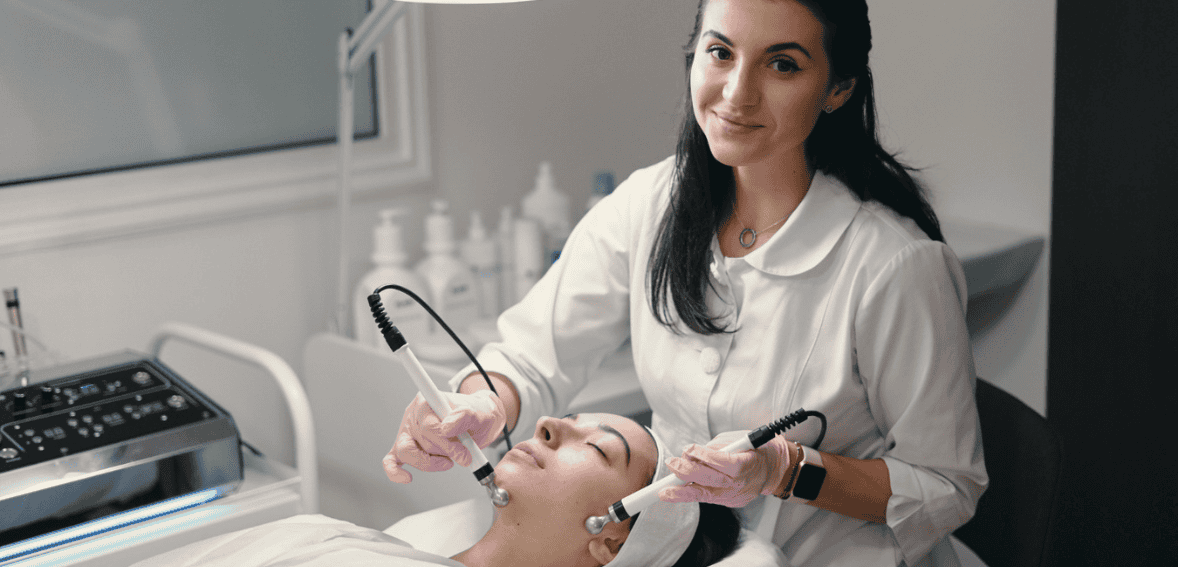
Professional skincare treatments are gradually becoming available at home through smart beauty devices. These tools combine advanced technology with user-friendly designs to improve skincare routines without requiring frequent salon visits.
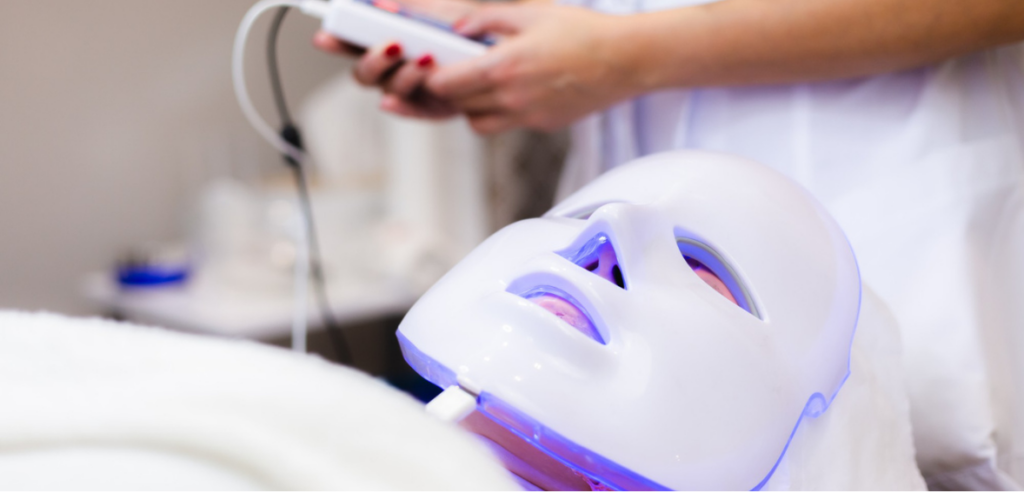
Devices that use LED light therapy, microcurrent stimulation, facial cleansing technology, ultrasonic vibrations, and skin hydration analysis are becoming increasingly popular. Many connect directly to smartphone applications that provide personalised guidance based on each user’s skin profile.
Some devices monitor treatment frequency, recommend adjustments, and collect performance data to improve future skincare recommendations. This combination of hardware and software creates a more personalised experience than traditional skincare tools.
The continued development of personalised beauty technology allows consumers to enjoy advanced skincare treatments from the comfort of their own homes while maintaining greater control over their skincare routines.
Virtual Consultations Are Expanding Access
Access to skincare professionals has traditionally depended on location, appointment availability, and consultation costs. Virtual consultations are changing this by allowing people to connect with qualified experts from almost anywhere.
Consumers can now upload photographs, participate in video consultations, and receive customised skincare recommendations without travelling to physical clinics. This convenience benefits people living in rural areas or those with busy schedules.
Many dermatologists and skincare specialists also combine virtual consultations with digital skin analysis tools, allowing them to review detailed reports before speaking with patients. This improves consultation quality while making appointments more efficient.
The combination of virtual care and AI skincare solutions is helping bring expert skincare advice to people who may previously have found professional guidance difficult to access.
Data Is Helping Brands Understand Customer Needs
Modern skincare brands collect valuable information that helps improve product development and customer experiences. Anonymous customer data allows companies to understand common skin concerns, product performance, seasonal changes, and regional differences.
For example, skincare recommendations may differ depending on whether someone lives in a humid tropical climate or a dry winter environment. Technology helps brands account for these environmental differences when suggesting products.
Customer feedback also allows algorithms to become more accurate over time. As people report improvements or ongoing concerns, recommendation systems learn which combinations of ingredients perform best for different skin profiles.
This data-driven approach demonstrates how beauty industry technology supports continuous improvement while helping brands deliver more relevant skincare solutions.
Ingredient Transparency Is Improving Consumer Confidence
Consumers today want to know exactly what they are applying to their skin. Technology has made ingredient information much easier to access and understand.
Many beauty applications now explain ingredient functions in simple language. Users can scan product packaging to learn whether ingredients target acne, hydration, pigmentation, ageing, or skin barrier repair. Some apps even warn users about ingredients that may trigger allergies or irritation.
This increased transparency allows consumers to build skincare routines based on knowledge rather than marketing claims. It also encourages brands to communicate more openly about product formulations and scientific research.
These educational tools represent another important example of how beauty tech trends are empowering consumers to make better skincare decisions with greater confidence.
Artificial Intelligence Is Supporting Product Innovation
Artificial intelligence is influencing more than customer recommendations. It is also accelerating research and product development behind the scenes.
Researchers use AI to analyse ingredient combinations, predict product performance, identify emerging skincare concerns, and optimise formulations more efficiently than traditional methods. This reduces development time while improving product effectiveness.
Artificial intelligence can also identify patterns within large datasets that would be difficult for researchers to detect manually. These insights support the creation of safer, more effective skincare products tailored to evolving consumer needs.
As AI skincare solutions continue advancing, both consumers and manufacturers benefit from faster innovation and improved product quality.
Personalisation Is Making Skincare More Inclusive
One of the greatest advantages of modern skincare technology is its ability to support greater inclusivity. Traditional beauty standards often overlooked the needs of people with different skin tones, ethnic backgrounds, ages, and skin conditions.
Today’s technology allows brands to collect broader datasets representing diverse populations. This helps improve product recommendations and skin analysis accuracy across a wider range of users.
Consumers with sensitive skin, darker complexions, mature skin, or uncommon skin concerns increasingly receive recommendations that reflect their unique characteristics rather than generic assumptions.
Through personalised beauty technology, skincare is becoming more inclusive by recognising that every person’s skin deserves individual attention and scientifically informed recommendations.
Challenges That Still Need Attention
Although personalised skincare technology offers many advantages, certain challenges remain. Privacy is one important consideration because many digital platforms collect facial images and personal health information. Companies must ensure strong data protection and transparent privacy policies.
Accuracy also varies between platforms. While AI continues improving rapidly, it cannot replace medical diagnosis for serious skin conditions. Consumers experiencing persistent skin problems should still consult qualified dermatologists rather than relying solely on digital assessments.
Cost can also be a factor for some advanced devices and subscription-based personalised skincare services. However, increasing competition and technological progress are gradually making these services more affordable for a wider audience.
As beauty industry technology continues evolving, addressing these challenges will help build greater consumer trust and encourage wider adoption.
The Future of Beauty Technology Looks Promising
Innovation within the beauty industry shows no signs of slowing down. Future developments are expected to deliver even more personalised experiences through wearable sensors, real-time skin monitoring, genetic analysis, and predictive skincare recommendations.
Future AI systems may recommend skincare adjustments based on weather conditions, pollution levels, hormonal changes, stress levels, sleep quality, or dietary habits. Instead of reacting to skin concerns after they appear, technology may help prevent problems before they become visible.
Advances in augmented reality may also improve virtual product testing, allowing consumers to visualise treatment results before purchasing products. These innovations could reduce product waste while improving customer satisfaction.
The continued evolution of beauty tech trends will make personalised skincare increasingly intelligent, proactive, and convenient for consumers around the world.
Human Expertise Will Always Matter
While technology has transformed skincare, human expertise remains an essential part of effective skin health. Dermatologists, aestheticians, and skincare professionals continue to play an important role in diagnosing complex conditions, recommending treatments, and providing medical care when necessary.
Technology works best as a supportive tool rather than a complete replacement for professional guidance. Digital assessments help consumers better understand their skin, but experienced professionals provide context, reassurance, and clinical expertise that algorithms alone cannot offer.
The most effective skincare journeys combine scientific innovation with trusted professional advice. Consumers benefit from accurate digital analysis while still having access to expert recommendations whenever more specialised care is required.
This balanced approach ensures that technology enhances skincare without removing the valuable human connection that many consumers continue to appreciate.
Conclusion
Personalised skincare is no longer limited to luxury clinics or expensive consultations. Thanks to rapid advances in beauty industry technology, consumers now have access to intelligent tools that analyse skin, recommend customised routines, monitor progress, and improve product selection with greater accuracy than ever before.
Innovations such as AI skincare solutions, digital skin analysis, virtual consultations, and connected beauty devices are making personalised skincare more practical, affordable, and widely available. At the same time, continued investment in personalised beauty technology is helping brands develop products that better reflect the unique needs of individual consumers.
As new beauty tech trends continue to emerge, skincare will become even more personalised, data-driven, and accessible. While technology will continue transforming the beauty industry, the future lies in combining digital innovation with trusted professional expertise, giving consumers the confidence to care for their skin in ways that are both effective and tailored to their individual needs.