
Essential Beauty Industry Technology Every Salon Should Consider in 2026
Running a salon in 2026 involves much more than providing excellent hair, beauty, nail, or wellness services. Clients now expect simple booking, quick communication, flexible payments, personalised recommendations, and a consistent experience at every visit. At the same time, salon owners must manage staff schedules, product stock, customer records, marketing, payments, and daily expenses. Trying to handle all these responsibilities through paper diaries, spreadsheets, and separate applications can create unnecessary work and increase the risk of mistakes.
Modern beauty industry technology helps salons organise these activities through connected digital systems. The right tools can reduce administration, improve communication, support staff productivity, and give owners a clearer view of business performance. Technology does not replace the personal service that makes a salon successful. Instead, it helps the team spend less time on repetitive tasks and more time caring for clients.
Not every salon needs the most expensive or complicated system. A small independent salon may have different requirements from a multi-location beauty brand. The goal is to choose practical tools that solve real problems, work well together, and remain easy for employees and customers to use. By understanding the most useful technology available, salon owners can make better decisions about where to invest in 2026.
Online Appointment Booking
Online appointment booking has become one of the most important digital services for salons. Many clients prefer to book when it is convenient for them rather than calling during business hours. They may search for a service late at night, compare available times, select a stylist, and confirm an appointment without speaking to reception.
A good booking system should display current availability, service duration, pricing, staff members, and location details clearly. It should also prevent double bookings and allow clients to reschedule or cancel according to salon policies. When a client books online, the appointment should appear immediately in the salon calendar so employees can see the updated schedule.
Effective salon technology should make online booking simple on both computers and mobile phones. If the process takes too long or asks for unnecessary information, clients may leave before completing the appointment. A smooth booking experience makes the salon feel organised and accessible from the first interaction.
Centralised Salon Scheduling
A salon schedule must manage more than appointment times. It may need to consider service duration, staff availability, treatment rooms, equipment, breaks, cleaning time, and preparation between clients. A haircut may require one employee and one chair, while a longer beauty treatment may need a private room and specialised equipment.
Centralised scheduling gives the entire team one reliable view of the day. Receptionists, managers, and service providers can see appointments, changes, cancellations, and available time without relying on separate calendars. This reduces confusion and helps staff prepare before each client arrives.
Modern salon management tools may also allow owners to block time for meetings, training, leave, or administrative work. Clear scheduling improves time management and reduces gaps that could have been used for appointments. It also helps prevent employees from being overloaded with back-to-back services that do not allow enough preparation or recovery time.
Automated Appointment Reminders
Missed appointments can create significant revenue loss, especially when the service requires a long time slot. Automated reminders help reduce no-shows by notifying clients before their scheduled visit. These messages may be sent by email, text message, or app notification.
A reminder should include the date, time, location, service, and any preparation instructions. It can also provide a link for confirming, rescheduling, or cancelling the appointment. Giving clients an easy way to make changes allows the salon to offer the slot to someone else.
Good beauty software can send reminders based on the salon’s preferred timing. For example, a client may receive a confirmation immediately after booking and another reminder one or two days before the visit. Messages should remain clear and useful rather than excessive. Too many notifications can feel intrusive and may cause clients to ignore future communication.
Digital Client Profiles
A client profile helps the salon remember important information from previous visits. It may include contact details, appointment history, preferred services, product purchases, allergies, sensitivities, colour formulas, treatment notes, and stylist preferences.
Digital records are more reliable than handwritten notes that can be misplaced or difficult to understand. Authorised staff can access relevant information before the appointment and provide a more consistent service. A returning client does not need to explain the same preferences every time they visit.
Client profiles are an important part of beauty industry technology because they help salons personalise service without relying entirely on employee memory. However, salons should only collect information that is genuinely useful and must protect sensitive details carefully. Staff access should be limited according to job responsibilities, and clients should understand how their information is used.
Digital Consultation Forms
Consultations help beauty professionals understand what the client wants and whether a treatment is suitable. Paper forms can be difficult to organise, especially when clients return frequently or receive different services.
Digital consultation forms can be completed before the appointment or on a tablet at reception. The information may include treatment goals, medical considerations, allergies, previous procedures, and consent. Once submitted, the form can be stored securely within the client profile.
This type of salon technology reduces paper handling and makes important information easier to retrieve. It can also prompt clients to review or update their details after a certain period. Digital forms should use simple language and should not ask for more personal information than the salon needs. Where professional or medical guidance is required, technology should support rather than replace proper consultation.
Integrated Point-of-Sale Systems
A point-of-sale system handles payments, receipts, discounts, gift cards, and sales records. When it connects with appointments and client profiles, checkout becomes faster and more accurate.
The system can identify the services completed, add any products purchased, apply valid offers, and record the payment against the correct client. Employees do not need to re-enter appointment information manually. This reduces mistakes and helps ensure that every service is charged correctly.
Integrated point-of-sale systems are useful salon management tools because they connect front-desk activity with financial reporting. Owners can review sales by service, product, employee, day, or location. The system should support the payment methods commonly used by the salon’s clients while remaining secure and easy for staff to operate.
Contactless and Mobile Payments
Customers increasingly expect quick and flexible payment options. Contactless cards, mobile wallets, payment links, and digital invoices can make checkout more convenient. These methods are especially useful when clients want to pay without handling cash or waiting at a busy reception desk.
Mobile payment devices can also allow employees to complete checkout from different areas of the salon. A client may pay at the styling station or treatment room instead of joining a queue at the front desk.
The chosen payment system should connect with the salon’s sales and accounting records where possible. This helps reduce manual reconciliation at the end of the day. Security should remain a priority, and salons should use reliable providers rather than storing sensitive card details themselves.
Deposits and Prepayment Technology
Deposits can reduce the financial impact of late cancellations and missed appointments. They are particularly useful for long services, bridal bookings, group appointments, premium treatments, or procedures that require special preparation.
A connected booking and payment system can request a deposit when the appointment is created. The amount is then recorded against the booking and deducted from the final bill. This prevents staff from tracking deposits in separate spreadsheets or messages.
Strong beauty software can also apply different deposit rules based on service type, appointment value, or client history. The policy should be displayed clearly before payment so clients understand cancellation and refund conditions. Deposits should support fair scheduling practices rather than making the booking process unnecessarily difficult.
Customer Relationship Management
Customer relationship management systems help salons understand and communicate with clients more effectively. They can organise contact information, appointment history, marketing preferences, feedback, and loyalty activity in one place.
This information allows salons to send more relevant communication. A client who regularly books hair colouring may receive reminders related to colour maintenance, while someone who purchases skincare products may receive updates about new stock. Messages are more useful when they match genuine interests.
Customer relationship features may be included within broader salon management tools rather than purchased separately. The system should allow clients to choose whether they receive promotional communication. Salons should avoid sending frequent generic offers because too much messaging can weaken trust and lead people to unsubscribe.
Personalised Marketing Automation
Marketing automation helps salons communicate with clients at suitable points in their relationship. Messages can be triggered by events such as a first appointment, birthday, long period of inactivity, completed service, or unused loyalty reward.
For example, a new client may receive a thank-you message after the first visit. A regular customer may receive a reminder when they are likely to need another appointment. A client who has not returned for several months may receive a gentle invitation to book again.
This use of beauty industry technology can save time while keeping communication personal. The most effective automation feels relevant rather than mechanical. Salons should review automated messages regularly to ensure the wording, offers, links, and service details remain accurate.
Email and SMS Communication
Email and SMS serve different purposes in salon communication. Email works well for detailed updates, newsletters, service introductions, care instructions, and seasonal campaigns. SMS is better suited to short reminders, confirmations, urgent schedule changes, and time-sensitive availability.
Salons should avoid sending the same message through every channel. A client does not need an email, text message, app alert, and social media message about the same promotion. Communication preferences should be respected.
Good salon technology allows the business to organise contacts, schedule messages, and track whether links are being used. The goal is not to send more messages but to send the right information at the right time. Clear communication can improve attendance, encourage repeat bookings, and reduce the number of routine calls received by reception.
Loyalty Programme Software
A digital loyalty programme can encourage repeat business without relying on paper cards that are easily lost. Clients may earn points based on appointments, purchases, referrals, or selected promotions.
The programme should be simple enough for clients to understand. They should be able to check their balance, see available rewards, and know when points expire. Rewards may include discounts, free add-ons, product samples, or access to special services.
Loyalty features are useful salon management tools when they connect with client profiles and checkout. Points can be added automatically after an eligible purchase, reducing manual work for staff. The programme should reward profitable behaviour and genuine loyalty rather than offering discounts so frequently that services lose their perceived value.
Digital Gift Cards
Digital gift cards allow customers to purchase salon services for friends and family without visiting the business in person. They can be sold through the salon website and delivered by email, sometimes with a personalised message.
A connected system records the gift card value, usage, balance, and expiry conditions. Staff can check the card during booking or checkout without searching through paper records. Digital gift cards can also support seasonal revenue during holidays, birthdays, and special occasions.
The salon should make redemption rules clear and ensure that gift cards work smoothly across relevant locations and services. A complicated redemption process can disappoint both the buyer and recipient. When integrated properly, gift cards provide convenience while introducing new clients to the salon.
Inventory Management Systems
Salons need to track both retail products and professional supplies. Running out of colour, treatment materials, gloves, or popular retail items can disrupt appointments and reduce sales. Ordering too much stock can also create waste and tie up money.
Inventory software records stock levels and can update quantities when products are sold or used. It may alert staff when an item reaches a minimum level, helping them reorder before it runs out. Some systems can also track supplier details, purchase costs, and product performance.
Reliable beauty software gives owners a clearer understanding of what is selling and what remains unused. However, digital records must still match physical stock. Regular stock checks are necessary because breakage, samples, incorrect entries, and unrecorded usage can create differences.
Product Usage Tracking
Retail stock is easy to track when each item is scanned at checkout, but professional product usage can be more difficult. Salons may use colour, treatments, wax, skincare products, and other supplies during services without recording the exact amount.
Technology can help connect product usage with service records. This allows the salon to estimate the true cost of delivering each treatment. Owners may discover that certain services use more materials than expected or that pricing no longer covers current costs.
Product usage tracking also supports better ordering and reduces unnecessary waste. The system does not need to record every drop of product, but it should provide a realistic view of consumption. Staff training is important because the information will only be useful if employees follow a consistent recording process.
Staff Scheduling and Time Management
Managing employee schedules can become complicated when the salon has full-time staff, part-time workers, contractors, trainees, and employees with different skills. Availability must be matched with client demand and service requirements.
Digital staff scheduling helps managers create shifts, approve leave, track breaks, and view coverage. Employees may be able to check their schedule or request changes through an app. This reduces confusion caused by printed rotas or long message threads.
In 2026, effective salon technology should help owners compare staff availability with appointment demand. A salon may discover that it needs more coverage during evenings or weekends and less during quieter periods. Better scheduling supports service quality while helping control labour costs.
Employee Performance Reporting
Performance reporting can help owners understand how the salon is operating. Useful measures may include appointments completed, service revenue, retail sales, rebooking rates, client retention, average transaction value, and schedule utilisation.
These figures should not be used only to rank employees. They can highlight training needs, successful service areas, or opportunities to improve scheduling. For example, an employee may provide excellent service but need support with rebooking conversations or product knowledge.
Digital salon management tools make reporting easier because appointment and payment data are already connected. Managers should consider quality, client feedback, teamwork, and professional development alongside sales figures. Numbers provide useful information, but they should not replace fair judgement.
Payroll and Commission Support
Salons may use different pay structures, including hourly wages, service commissions, product commissions, bonuses, tips, or rental arrangements. Calculating these amounts manually can be time-consuming and may lead to disputes.
Connected systems can record eligible sales and prepare reports for payroll. The salon can define how different services, products, discounts, and refunds affect commissions. Staff may also be able to view their performance and expected earnings.
This type of beauty software does not remove the need for payroll checks. Managers should review reports before payments are finalised and ensure that calculations follow contracts and employment requirements. Clear records help employees understand how their earnings were determined and reduce uncertainty.
Digital Tip Management
As more clients pay by card or mobile wallet, salons need a clear way to record and distribute tips. Payment systems may allow customers to select a tip amount during checkout while still giving them the option to skip it.
Digital tip records make distribution easier, especially when several employees contributed to the service. The salon should define how shared tips, team services, and assistant support are handled.
Clients should never feel pressured to tip through confusing screens or uncomfortable staff behaviour. The process should remain optional and discreet. Reliable reporting helps the salon distribute tips accurately and maintain transparent records for employees.
Business Analytics and Dashboards
Salon owners need more than total sales figures. They may want to know which services are growing, when cancellations occur, how often clients return, which products sell well, and how much of the schedule remains unused.
Business dashboards turn appointment, sales, payment, and inventory data into understandable reports. Owners can view patterns without building complex spreadsheets. The information can support decisions about staffing, pricing, opening hours, promotions, and new services.
Modern beauty industry technology should make reporting accessible to non-technical users. Dashboards should focus on practical measures rather than displaying large amounts of data with no clear purpose. Accurate information helps owners respond to real business conditions instead of relying only on assumptions.
Mobile Access for Owners and Managers
Salon owners are not always at the reception desk. They may work with clients, manage more than one location, attend training, or handle business tasks from home. Mobile access allows them to check schedules, sales, cancellations, and urgent messages from a secure device.
Managers may also approve discounts, review performance, or respond to staffing changes while away from the salon. This can improve flexibility, but it should not create an expectation that owners and managers remain available every hour of the day.
Mobile salon management tools should use secure logins and role-based access. Sensitive client or payment information should not be exposed through shared devices or unprotected accounts. Convenience is useful only when it does not weaken security.
Self-Service Client Portals
A client portal gives customers access to their own bookings, loyalty points, gift cards, forms, receipts, and communication preferences. It allows them to manage routine tasks without contacting reception.
Clients may use the portal to rebook a previous service, update contact information, view appointment history, or complete a consultation form. This reduces administrative work while giving clients more control.
The portal should be simple and mobile-friendly. Requiring complicated passwords or hiding basic actions behind several menus can discourage use. Self-service is most effective when human support remains available for clients who prefer it or need help with unusual requests.
Virtual Consultations
Some salons can use video or online consultations before certain services. A virtual consultation may help discuss goals, assess general suitability, explain preparation, estimate time, or determine whether an in-person consultation is still required.
This can be useful for bridal services, major colour changes, hair extensions, skin consultations, or treatments that require planning. It may save time for both the client and professional by identifying expectations before the appointment.
Virtual consultations should not replace necessary physical assessments or professional safety checks. The salon should explain what can and cannot be confirmed remotely. When used appropriately, this technology can make the planning stage more convenient and improve the quality of the in-person visit.
Artificial Intelligence for Client Communication
Artificial intelligence is becoming more common in booking support, frequently asked questions, and basic client communication. A salon chatbot may answer questions about hours, parking, services, prices, cancellations, or available appointment times.
AI can reduce the number of repetitive enquiries handled by reception, especially outside business hours. However, it should not provide unsafe treatment advice or pretend to understand complex client needs when human judgement is required.
The best systems explain when the customer is interacting with automation and make it easy to contact a person. Artificial intelligence should support service rather than create a barrier between the salon and its clients. Answers must also be reviewed regularly so outdated pricing or policies are not shared.
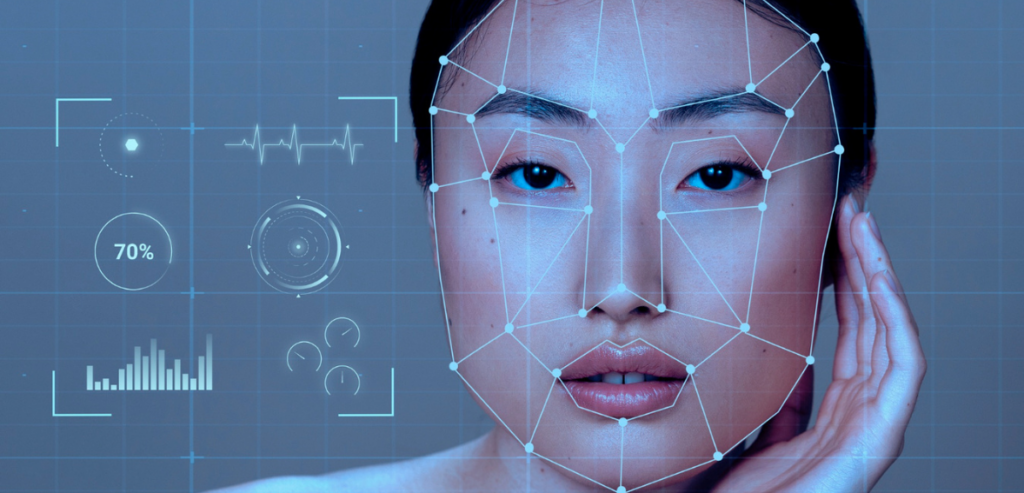
AI-Assisted Personalisation
AI tools can analyse booking and purchase history to suggest relevant services, products, or appointment timing. A system may identify that a client usually rebooks after a certain period or frequently purchases a particular type of product.
These suggestions can help staff prepare for conversations, but they should not be treated as guaranteed recommendations. Personal preferences, health considerations, budgets, and changing needs still require human discussion.
AI-assisted personalisation works best when it is subtle and useful. Clients may appreciate a reminder that matches their normal routine but may feel uncomfortable if the salon appears to know too much. Salons should use data responsibly and allow customers to control marketing communication.
Digital Displays and In-Salon Screens
Digital screens can show service information, product education, current offers, staff introductions, or care guidance. Unlike printed signs, content can be updated without replacing physical materials.
Screens should support the salon environment rather than distract from it. Constant movement, loud videos, or excessive advertising can make the space feel less relaxing. Content should be clear, attractive, and relevant to clients waiting for appointments.
Digital displays can also support staff by showing educational content or explaining products visually. The salon should keep information accurate and avoid making exaggerated treatment claims. Technology should improve communication while remaining consistent with the atmosphere and identity of the business.
Before-and-After Photography Systems
Before-and-after images can help salons document results, support consultations, and show clients how a treatment has progressed. Digital systems can organise photographs within the client record rather than leaving them across employee phones.
The salon must obtain clear consent before taking, storing, or sharing any image. Permission to keep a photograph for internal records is not the same as permission to post it on social media or use it in advertising.
Using a secure business device or approved application is safer than storing client photographs in personal galleries. Consistent lighting, angles, and backgrounds can also make images more useful for professional comparison. Privacy should always take priority over marketing convenience.
Social Media Planning Tools
Social media remains important for salons because visual results, client transformations, staff expertise, and behind-the-scenes content can build trust. However, creating and publishing posts regularly can become time-consuming.
Planning tools allow salons to schedule content, organise approvals, store captions, and review performance. Teams can prepare posts in advance rather than rushing to publish during busy working hours.
Technology should not remove the human personality from salon content. Clients often respond well to genuine stories, staff introductions, useful advice, and realistic results. Automated posting can improve consistency, but content should still reflect the salon’s voice and values. Consent is essential whenever a client appears in a photograph or video.
Reputation and Review Management
Online reviews can strongly influence whether a new client chooses a salon. Review management tools help businesses monitor feedback across platforms and respond more consistently.
A salon may automatically send a polite review request after a completed appointment. However, clients should not feel pressured to leave only positive feedback. Honest reviews can reveal useful information about waiting times, communication, cleanliness, or service expectations.
Owners should respond calmly and professionally, especially when feedback is critical. Private client details should never be shared publicly. Review software can organise notifications and reporting, but thoughtful responses still require human judgement.
Multi-Location Management Platforms
Salons with several locations need consistent systems for booking, client records, gift cards, loyalty points, staff access, stock, pricing, and reporting. Separate platforms at each branch can create confusion and make it difficult for clients to move between locations.
A multi-location platform allows authorised staff to view relevant information across branches. Clients may book at the most convenient site while keeping their history and preferences connected. Owners can compare performance using the same definitions and reports.
The system should still allow necessary local differences, such as opening hours, available services, staff, or pricing. Centralisation should improve consistency without ignoring the practical needs of each location. Strong permissions are also needed so employees only access information required for their role.
Cybersecurity and Data Protection
Salons store valuable information, including customer names, contact details, appointment history, treatment notes, employee records, and payment data. Protecting this information should be a basic part of every technology decision.
Staff should use individual accounts, strong passwords, and multi-factor authentication where available. Access should be removed when employees leave or change roles. Software should be updated, and important data should be backed up securely.
Salons should also review which third-party applications can access client information. Adding many unconnected tools may create security risks and make data harder to control. Technology providers should clearly explain how information is stored, protected, and exported if the salon changes systems.
Cloud-Based Systems and Backups
Cloud-based systems allow authorised users to access information through the internet rather than storing everything on one salon computer. This can support remote access, automatic updates, and easier recovery if a device is damaged or stolen.
However, cloud software still requires careful selection. Salons should understand backup arrangements, service availability, security features, support options, and how data can be downloaded. A provider should not make it difficult for the salon to access its own business information.
The salon should also have a basic plan for temporary internet or system outages. Staff need to know how to view essential appointments, record payments, and update information once the system becomes available again. Digital convenience should be supported by practical backup procedures.
Connecting Different Salon Systems
A salon may use separate tools for booking, payments, accounting, marketing, payroll, and inventory. Problems arise when employees repeatedly copy information between them.
Connected systems allow data to move automatically. A completed appointment may update sales records, loyalty points, employee commissions, inventory usage, and accounting reports. This reduces duplicate entry and improves accuracy.
Before purchasing new technology, salons should check whether it integrates with the systems they already use. A platform with many features may still create more work if it cannot share information. The aim should be a manageable group of reliable tools rather than a large collection of disconnected applications.
Choosing Technology Based on Real Needs
New technology can appear impressive, but salons should not invest simply because a feature is popular. The first step is identifying current problems. These may include missed appointments, slow checkout, poor stock control, unclear staff schedules, limited reporting, or too much time spent on repetitive communication.
Owners should then compare systems based on ease of use, cost, integration, support, security, and future growth. Staff should be involved because they understand daily workflow and will use the system regularly.
A free trial or demonstration can reveal whether the platform fits the salon’s actual process. Owners should test common tasks such as booking, rescheduling, payment, refund, reporting, and client search. Practical usefulness matters more than a long feature list.
Training Staff to Use New Technology
Even the best system will fail if employees do not understand it or avoid using it. Training should explain both how the technology works and why the salon is adopting it.
Staff should practise booking appointments, updating client records, processing payments, handling cancellations, recording stock, and responding to system errors. Written procedures can support employees after initial training.
Managers should encourage questions and review common mistakes without blaming staff. New systems often require time and adjustment. It is better to solve problems early than allow employees to create separate workarounds. Consistent use is essential because incomplete records reduce the value of reports and automation.
Avoiding Technology That Complicates Service
Technology should make the client experience easier, not more frustrating. A salon should not force every client to download an app, complete long forms, or use self-service tools when they prefer speaking with a person.
Some clients may be comfortable with digital booking, while others need telephone assistance. The salon should offer reasonable choices and ensure that technology supports different levels of confidence and accessibility.
Employees should also be able to correct errors and handle exceptions. A rigid system that cannot manage unusual appointments, shared services, or client needs may create more work than it saves. The most useful technology remains flexible enough to support real human situations.
Measuring the Value of Salon Technology
Technology should produce clear improvements. Salons can review changes in no-show rates, booking volume, rebooking, checkout time, stock waste, client retention, staff workload, and revenue.
The goal is not always immediate financial growth. A system may provide value by reducing stress, saving administrative time, improving accuracy, or creating a better client experience. These improvements can support long-term performance.
Owners should review subscriptions regularly and remove tools that are unused or duplicate another platform. They should also ask employees and clients for feedback. A feature that appears useful in theory may not work well in daily practice. Regular review helps the salon keep its technology simple and effective.
Preparing the Salon for Future Growth
Technology decisions made in 2026 should support both current needs and future plans. A salon may eventually add more staff, introduce new services, expand opening hours, sell products online, or open another location.
A flexible system can grow with the business without requiring all records and processes to be rebuilt. Owners should consider user limits, location support, data storage, reporting, integrations, and pricing as the salon expands.
At the same time, salons should avoid paying for advanced features they are unlikely to use. The best choice balances present practicality with reasonable future flexibility. A strong digital foundation allows growth to remain organised rather than creating additional administrative pressure.
Conclusion
The most valuable salon technology in 2026 is not necessarily the newest or most complicated. It is technology that solves everyday problems, improves client convenience, and gives staff more time to focus on service. Online booking, appointment reminders, digital client records, integrated payments, inventory tracking, staff scheduling, marketing automation, reporting, and secure data management can all make salon operations easier.
Modern beauty industry technology should connect important areas of the business rather than creating more isolated systems. Practical salon technology helps reduce repetitive work and makes booking, communication, and payment more convenient for clients. Reliable beauty software gives owners better visibility into appointments, sales, stock, and customer behaviour, while effective salon management tools support staff organisation and long-term planning.
Technology works best when it strengthens the human side of the salon. Clients still value skill, trust, conversation, care, and personal attention. By choosing tools carefully, protecting customer information, and training staff properly, salons can create a smoother experience without losing the personal service that keeps clients returning.